 Now
Now
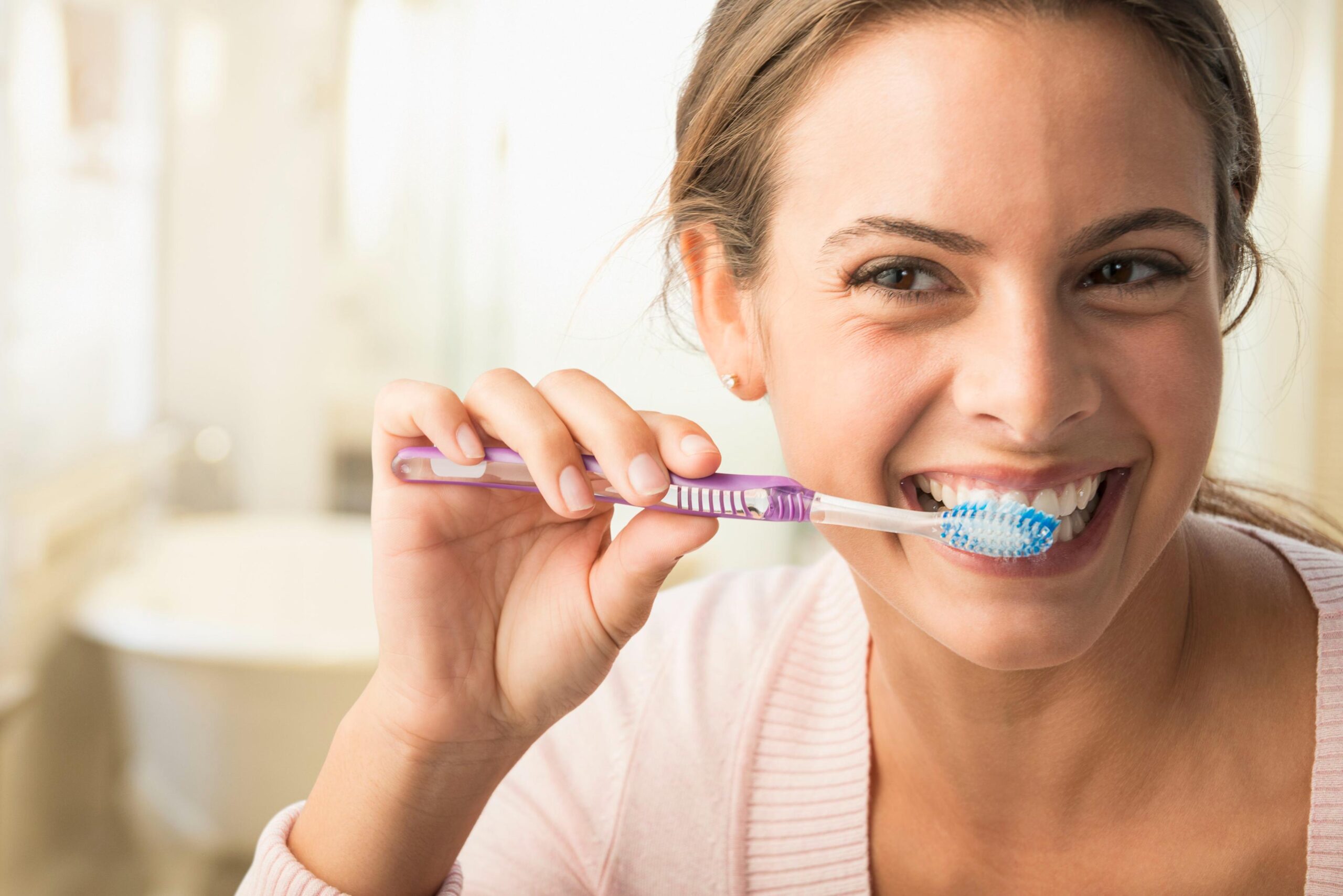
Walk down any supermarket aisle in Australia and you’ll find dozens of whitening toothpastes all promising a brighter smile. But is whitening toothpaste actually bad for your teeth — or is it a safe daily habit? As dentists in Doreen, we get this question constantly. The answer is nuanced, and getting it right matters for your long-term oral health.
This guide breaks down exactly how whitening toothpaste works, the real risks, how to read ingredient labels, and when to choose professional whitening instead.
What Is Whitening Toothpaste and How Does It Work?
Whitening toothpaste works through two main mechanisms: physical abrasion and chemical bleaching.
Abrasive whitening relies on fine particles — commonly hydrated silica, calcium carbonate, or baking soda (sodium bicarbonate) — to physically polish away surface stains left by coffee, tea, wine, and tobacco. This is how most over-the-counter whitening toothpastes work.
Chemical whitening uses low concentrations of hydrogen peroxide or carbamide peroxide to break down stain molecules within the enamel surface. Toothpastes using this method can achieve slightly deeper brightening than abrasive-only formulas, but the peroxide concentrations are far lower than professional-grade treatments.
Importantly, neither mechanism can change the intrinsic colour of your teeth — the natural shade determined by your dentin. Whitening toothpaste removes extrinsic (surface) stains; it does not whiten from the inside out.
Is Whitening Toothpaste Bad for Your Teeth?
Used correctly, most whitening toothpastes are safe. The problems arise with high-abrasivity formulas and overuse. Here are the three primary risks:
1. Enamel Erosion
Tooth enamel is the hardest substance in your body — but it’s not immune to gradual wear. Abrasive whitening toothpastes can, over months and years of daily use, thin the enamel layer. Since enamel cannot regenerate, this damage is permanent. Thinned enamel makes teeth more prone to cavities, sensitivity, and paradoxically, yellowing (as the darker dentin beneath becomes more visible).
The key metric to watch is RDA — Relative Dentin Abrasivity. The World Health Organization sets an upper safety limit of 250 RDA, but dentists typically recommend choosing toothpastes with an RDA below 100 for daily use. Many whitening toothpastes sit in the 100–200 range. If a brand doesn’t publish its RDA value, that’s worth noting.
2. Tooth Sensitivity
Whitening toothpastes containing hydrogen peroxide can cause increased tooth sensitivity — the sharp, temporary pain when consuming hot, cold, or acidic foods and drinks. This occurs because the peroxide can penetrate enamel and stimulate the nerve-rich dentin layer underneath. People who already have thin enamel, receding gums, or exposed root surfaces are particularly susceptible.
3. Gum Irritation
Some individuals experience gum irritation or inflammation, particularly if whitening toothpaste containing peroxide comes into prolonged contact with gum tissue, or if they brush too vigorously. Switching to a softer toothbrush and using gentle, circular strokes can reduce this risk substantially.
Understanding RDA: The Abrasivity Scale Explained
| RDA Value | Classification | Suitability |
|---|---|---|
| 0–70 | Low abrasivity | Safe for sensitive teeth and daily use |
| 71–100 | Medium abrasivity | Safe for most adults with healthy enamel |
| 101–150 | Moderately high | Use with caution; not recommended daily |
| 151–250 | High abrasivity | Within WHO limit but risk of enamel wear |
| 250+ | Unsafe | Exceeds WHO safety threshold |
Key Ingredients in Whitening Toothpaste: What to Look For (and Avoid)
Ingredients to Look For
- Fluoride (sodium fluoride or stannous fluoride): Essential for strengthening enamel and preventing decay. Any whitening toothpaste you use daily should contain fluoride. Stannous fluoride has the added benefit of reducing sensitivity.
- Hydrated silica (low-grade): A mild abrasive commonly used in reputable brands. Effective at stain removal with lower enamel wear when the formula is well-balanced.
- Potassium nitrate: Helps manage sensitivity by calming tooth nerve activity. A good sign in a whitening toothpaste, particularly if you already have sensitive teeth.
- Hydroxyapatite: An emerging ingredient that can remineralise enamel while providing gentle whitening. Look for nano-hydroxyapatite formulas as an alternative to peroxide-based whitening.
Ingredients to Be Cautious About
- High-concentration hydrogen peroxide: More than 0.1% hydrogen peroxide in toothpaste can cause sensitivity with sustained use. Toothpastes sold in Australia must comply with TGA regulations, but check with your dentist if you’re unsure.
- Activated charcoal: Extremely popular but concerning. Charcoal-based whitening toothpastes tend to be highly abrasive and most lack fluoride entirely. The Australian Dental Association (ADA) has advised caution against charcoal toothpastes.
- Baking soda in high concentrations: Mild on its own, but some formulas combine it with other abrasives, resulting in a cumulative abrasivity level that’s higher than it appears.
Pros and Cons of Whitening Toothpaste: A Clear Summary
| ✅ Pros | ⚠️ Cons |
|---|---|
| Removes surface (extrinsic) stains | Cannot treat intrinsic (deep) stains |
| Convenient — fits into daily brushing | High-abrasivity formulas can erode enamel |
| Affordable and widely available in Australia | May cause or worsen tooth sensitivity |
| Helps maintain professional whitening results | Results are subtle compared to professional treatment |
| Good dual-purpose products include fluoride | Charcoal variants often lack fluoride — a significant downside |
Whitening Toothpaste vs Professional Teeth Whitening: Which Is Right for You?
Whitening toothpaste and professional whitening are not in direct competition — they serve different purposes. Here’s how to decide which is appropriate for your situation:
Choose whitening toothpaste if: you want to maintain a bright smile, remove mild coffee or tea staining, or sustain the results of a professional whitening treatment you’ve already had.
Choose professional whitening if: your teeth have yellowed significantly over time, you have intrinsic staining (from medications, trauma, or genetics), or you want results you’ll actually notice. Professional in-chair whitening and take-home trays from your dentist use prescription-strength bleaching agents that penetrate deeper and work faster — with far less risk of enamel damage because your dentist monitors the process.
At The Doreen Dentist, we offer professional teeth whitening in Doreen including Pola take-home whitening kits — a clinically proven system that delivers noticeable results without the guesswork of over-the-counter products.
How to Use Whitening Toothpaste Safely: 5 Dentist Tips
- Use it once daily, not twice. Limiting use to once a day significantly reduces cumulative abrasivity on your enamel. Brush with a regular fluoride toothpaste for your second daily brush.
- Check the RDA value before buying. Aim for an RDA below 100 for daily use, or below 70 if you have sensitive teeth. If the brand doesn’t list it, search for the product name + “RDA value” online.
- Use a soft-bristled toothbrush. The combination of an abrasive toothpaste and a medium or hard bristle brush multiplies enamel wear. Use gentle, circular strokes.
- Choose fluoride-containing formulas. Fluoride counteracts some of the erosive risk by remineralising enamel. Avoid charcoal toothpastes that forgo fluoride entirely.
- Stop if sensitivity develops. Increased sensitivity is your enamel or dentin signalling distress. If it develops, discontinue use and book an appointment with your dentist to assess enamel health before continuing any whitening routine.
Who Should Avoid Whitening Toothpaste?
Whitening toothpaste is not suitable for everyone. You should consult your dentist before using it — or avoid it entirely — if you:
- Already have diagnosed thin or eroded enamel
- Have exposed root surfaces (often from receding gums)
- Are wearing orthodontic braces or clear aligners
- Have active tooth decay or untreated cavities
- Experience chronic tooth sensitivity
- Are pregnant or breastfeeding (consult your dentist regarding peroxide-containing products)
- Have dental crowns, veneers, or bonding — whitening toothpaste won’t whiten restorations and can create colour mismatches
Is Charcoal Whitening Toothpaste Safe?
Activated charcoal toothpastes have surged in popularity across Australia, but dental professionals are largely not fans. Here’s why:
- High abrasivity: Charcoal particles are significantly more abrasive than conventional whitening agents, with RDA values often in the 150–200+ range.
- No fluoride: Most charcoal toothpastes omit fluoride entirely, removing the primary protection against tooth decay and enamel remineralisation.
- Limited evidence: A 2019 review in the British Dental Journal concluded there is insufficient evidence that charcoal toothpaste whitens teeth or is safe for enamel.
- ADA position: The Australian Dental Association does not recommend charcoal toothpastes as a safe whitening option.
Our clear recommendation: skip the charcoal toothpaste and opt for an ADA-approved, fluoride-containing whitening toothpaste with a published low RDA value if you want a safe daily whitening option.
Frequently Asked Questions About Whitening Toothpaste
Is whitening toothpaste bad for your teeth?
Whitening toothpaste is generally safe when used as directed and in a low-abrasivity formula. The main risks — enamel erosion and sensitivity — arise from high-RDA formulas and overuse (twice daily, long-term). Choose carefully and use once per day to minimise risk.
Can whitening toothpaste damage enamel?
Yes, highly abrasive whitening toothpastes can erode enamel progressively. Enamel cannot regenerate. An RDA value below 100 is the dentist-recommended benchmark for daily whitening toothpaste use.
How often should you use whitening toothpaste?
Once a day is the recommended frequency. Alternate your second daily brush with a regular fluoride toothpaste to protect enamel and ensure adequate fluoride exposure.
What is the safest whitening toothpaste in Australia?
Look for the Australian Dental Association (ADA) Seal of Approval, a published low RDA value (under 100), and fluoride as an active ingredient. Ask your dentist in Doreen for a specific recommendation based on your enamel health.
Is whitening toothpaste safe for sensitive teeth?
People with sensitivity should look for whitening formulas that also contain potassium nitrate or stannous fluoride to counteract sensitivity. Consult your dentist first if sensitivity is a known issue for you.
What is RDA in toothpaste?
RDA (Relative Dentin Abrasivity) measures how abrasive a toothpaste is on a standardised scale. The WHO permits up to 250; dentists recommend under 100 for daily use and under 70 for sensitive teeth. Whitening toothpastes often have higher RDA values than regular formulas.
Does whitening toothpaste actually work?
Yes, for surface stains. Whitening toothpaste can meaningfully brighten teeth stained by coffee, tea, wine, and tobacco. It cannot change natural tooth colour or address deep intrinsic staining. For visible whitening beyond stain removal, professional treatment is necessary.
Should I use whitening toothpaste or see a dentist for whitening?
Use whitening toothpaste to maintain brightness and manage light surface staining. See your Doreen dentist for whitening if your teeth have significantly yellowed, have intrinsic staining, or if you want noticeable, lasting results. Professional whitening is more effective and lower risk when supervised by a dentist.
The Bottom Line: Is Whitening Toothpaste Worth It?
Whitening toothpaste occupies a useful but limited role in oral care. Used sensibly — once daily, in a low-abrasivity formula containing fluoride — it’s a safe way to maintain a brighter smile and manage surface staining between dental visits.
The problem is that many Australians reach for the most heavily marketed whitening toothpastes without checking abrasivity levels, then use them twice daily for years. That’s the recipe for gradual enamel damage that shows up as sensitivity, yellowing, and increased decay risk well down the line.
If you’re unsure whether your whitening toothpaste is right for your teeth, or if you’d like to explore professional whitening options that deliver real, lasting results, book an appointment with our team at The Doreen Dentist. We serve patients across Doreen, Mernda, South Morang, and surrounding areas in Melbourne’s northern suburbs.
Talk to our Doreen dentists about professional teeth whitening — fast, safe, and noticeably effective.Book Your Appointment →